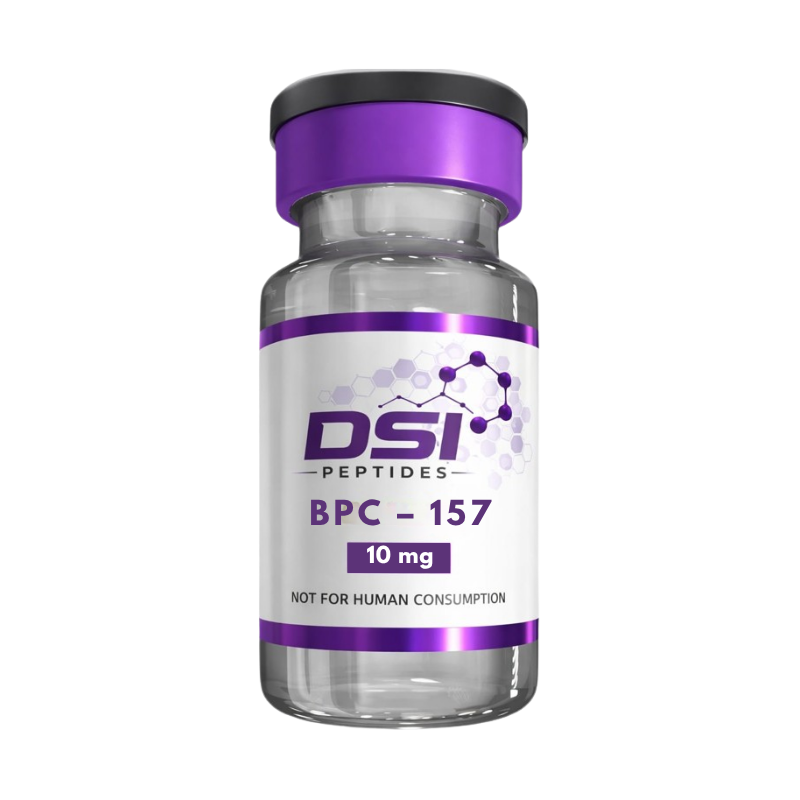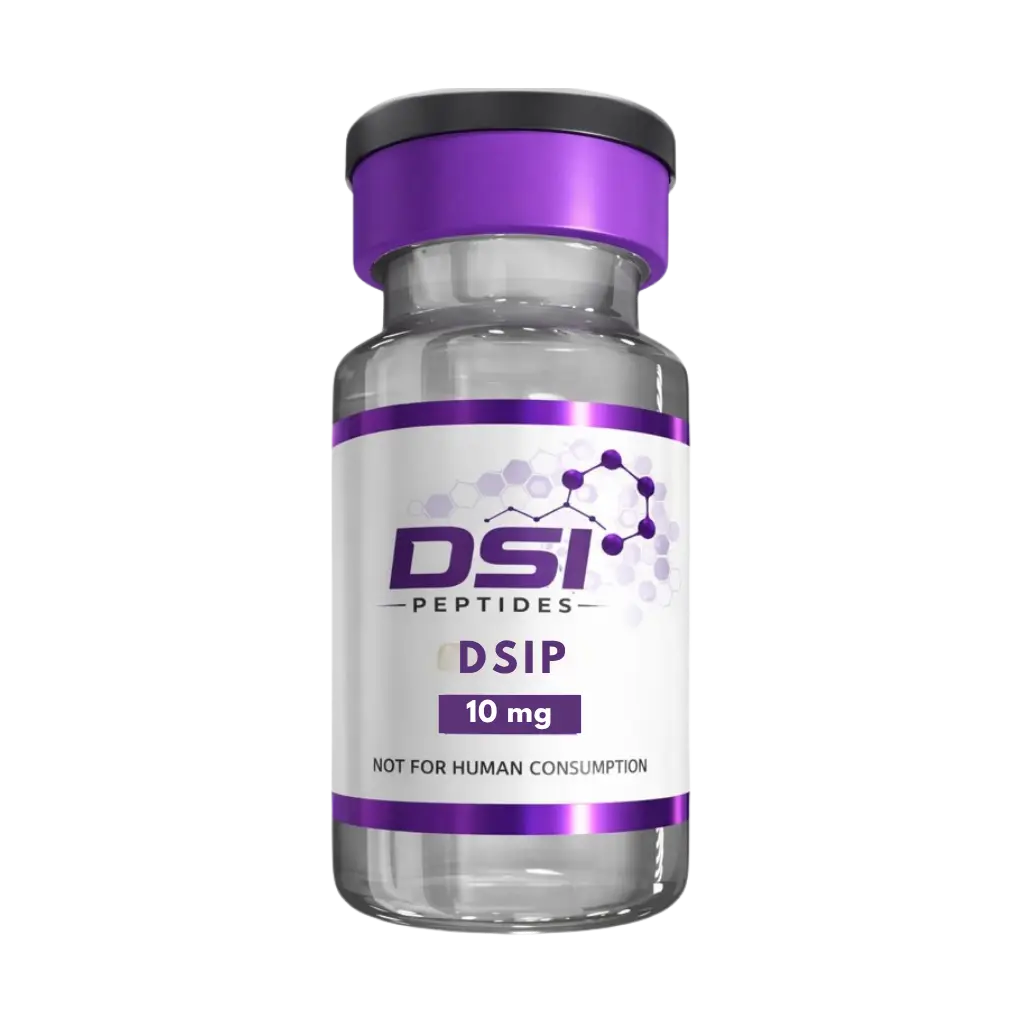
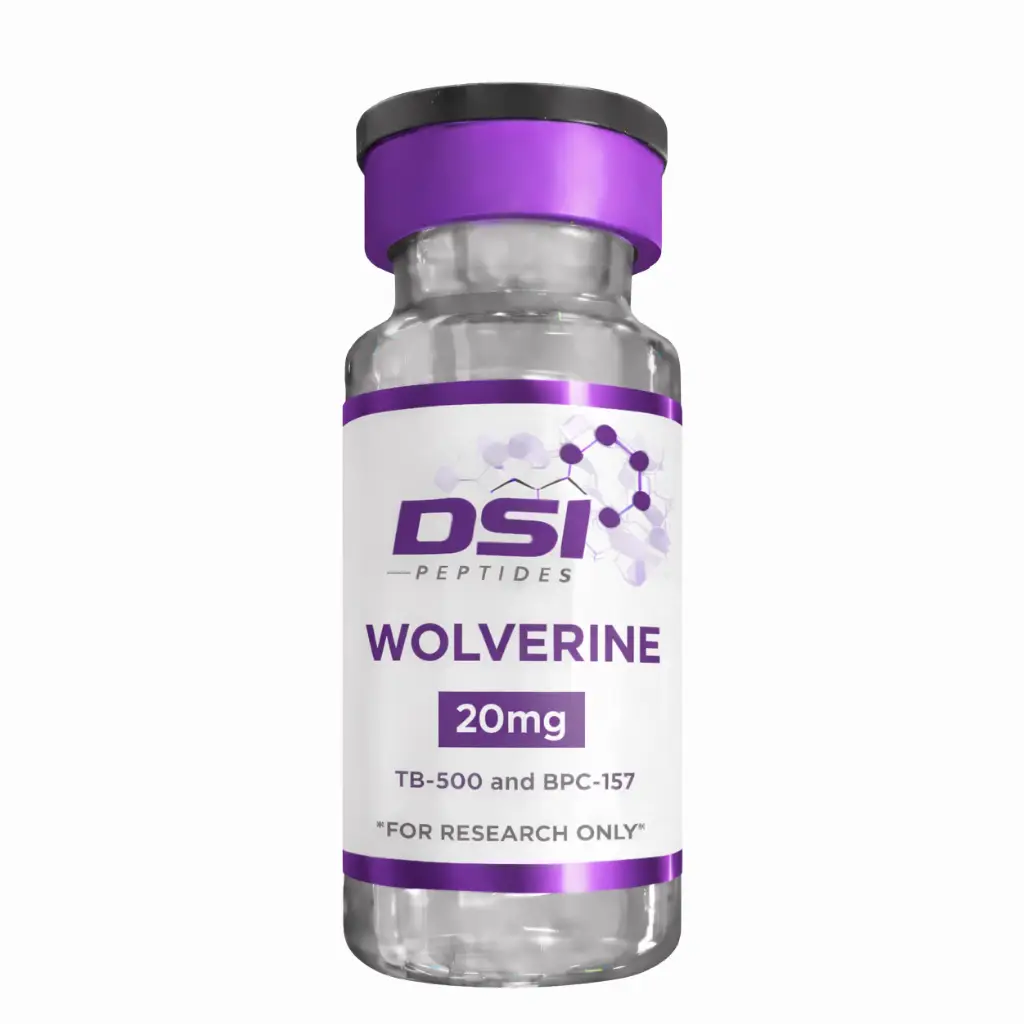
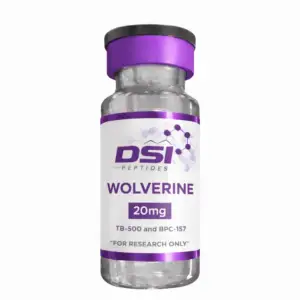
“Wolverine peptide” is not a formally recognized scientific name, but in research and commercial peptide contexts it is commonly used as a nickname for BPC-157 (Body Protection Compound-157).
BPC-157 (“Wolverine peptide”) – Research overview
Basic characteristics:
- Type: Synthetic peptide
- Length: 15 amino acids
- Origin: Derived from a fragment of a naturally occurring protein found in gastric juice
- Sequence class: Stable gastric pentadecapeptide
Mechanism of action (research context)
BPC-157 has been studied for its potential effects on tissue repair and cellular signaling, though mechanisms are still being clarified. Proposed actions include:
- Angiogenesis modulation:
Promotes formation of new blood vessels via pathways such as VEGF signaling - Nitric oxide (NO) system interaction:
May influence vasodilation and blood flow regulation - Cell migration and proliferation:
Enhances fibroblast activity and tissue remodeling processes - Anti-inflammatory signaling:
Modulates cytokine activity in experimental injury models - Interaction with growth factor pathways:
Including FGF and other regenerative signaling cascades
Research applications
BPC-157 is widely studied in preclinical (mostly animal and in vitro) models for:
Tissue repair and regeneration
- Tendon-to-bone healing
- Ligament and muscle injury recovery
- Skin wound healing
Gastrointestinal research
- Protection of gastric mucosa
- Healing of ulcers and intestinal injury
- Maintenance of gut barrier integrity
Neurological studies
- Nerve regeneration models
- Effects on neurotransmitter systems (dopamine, serotonin in some studies)
Cardiovascular and vascular research
- Blood vessel repair and collateral circulation formation
Key properties
- Relatively stable compared to many peptides (resistant to enzymatic degradation in some conditions)
- Demonstrates systemic effects in animal studies despite local administration in some models
- Often studied via injection or oral routes in experimental setups
Limitations and considerations
- Lack of large-scale human clinical data
- Most findings come from animal studies, limiting direct translation
- Mechanisms are not fully established or universally agreed upon
- Variability in experimental design and dosing protocols across studies
Summary
“Wolverine peptide” typically refers to BPC-157, a research peptide investigated for its potential role in tissue repair, angiogenesis, and anti-inflammatory processes. While preclinical results are extensive and suggest broad biological activity, its effects and mechanisms remain under active investigation and are not yet fully characterized in humans.

Reviews
There are no reviews yet.