
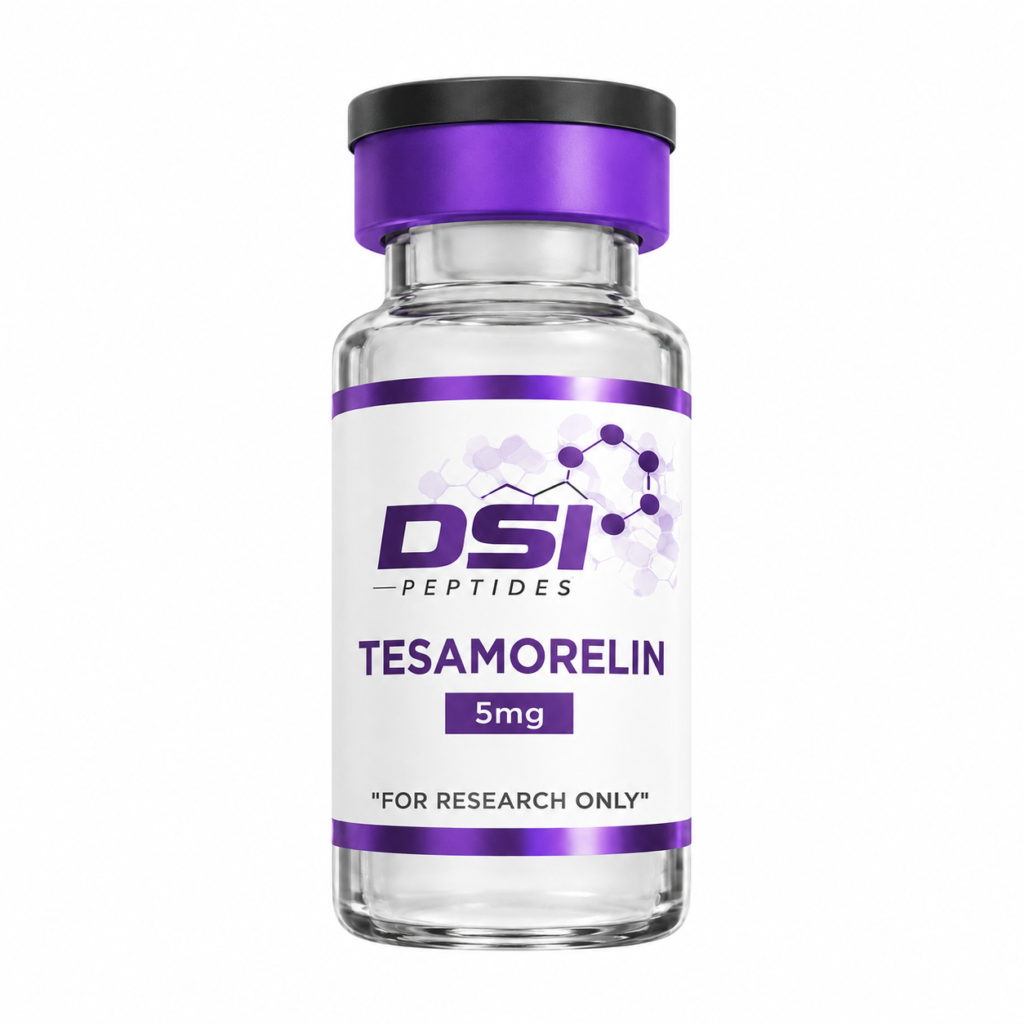
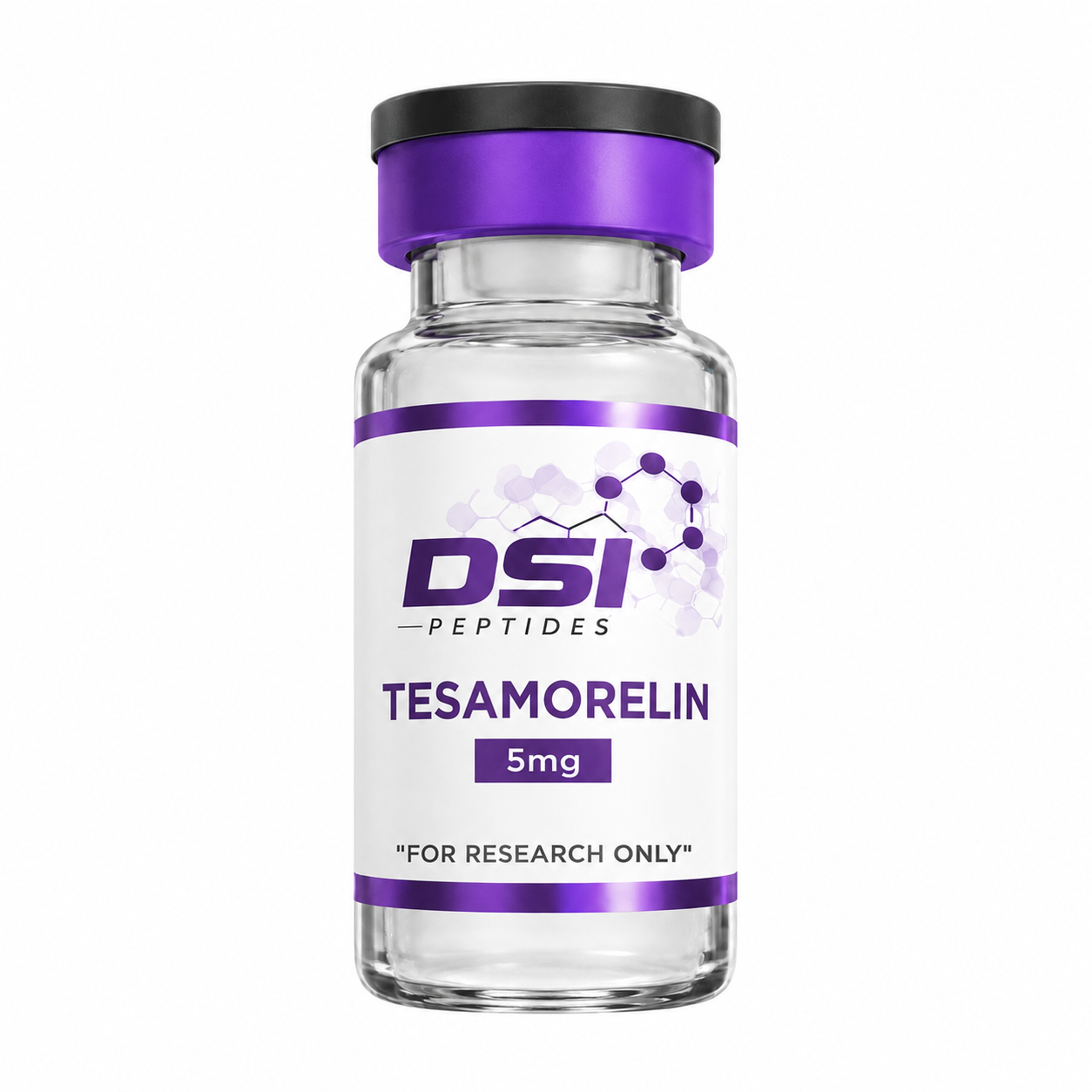
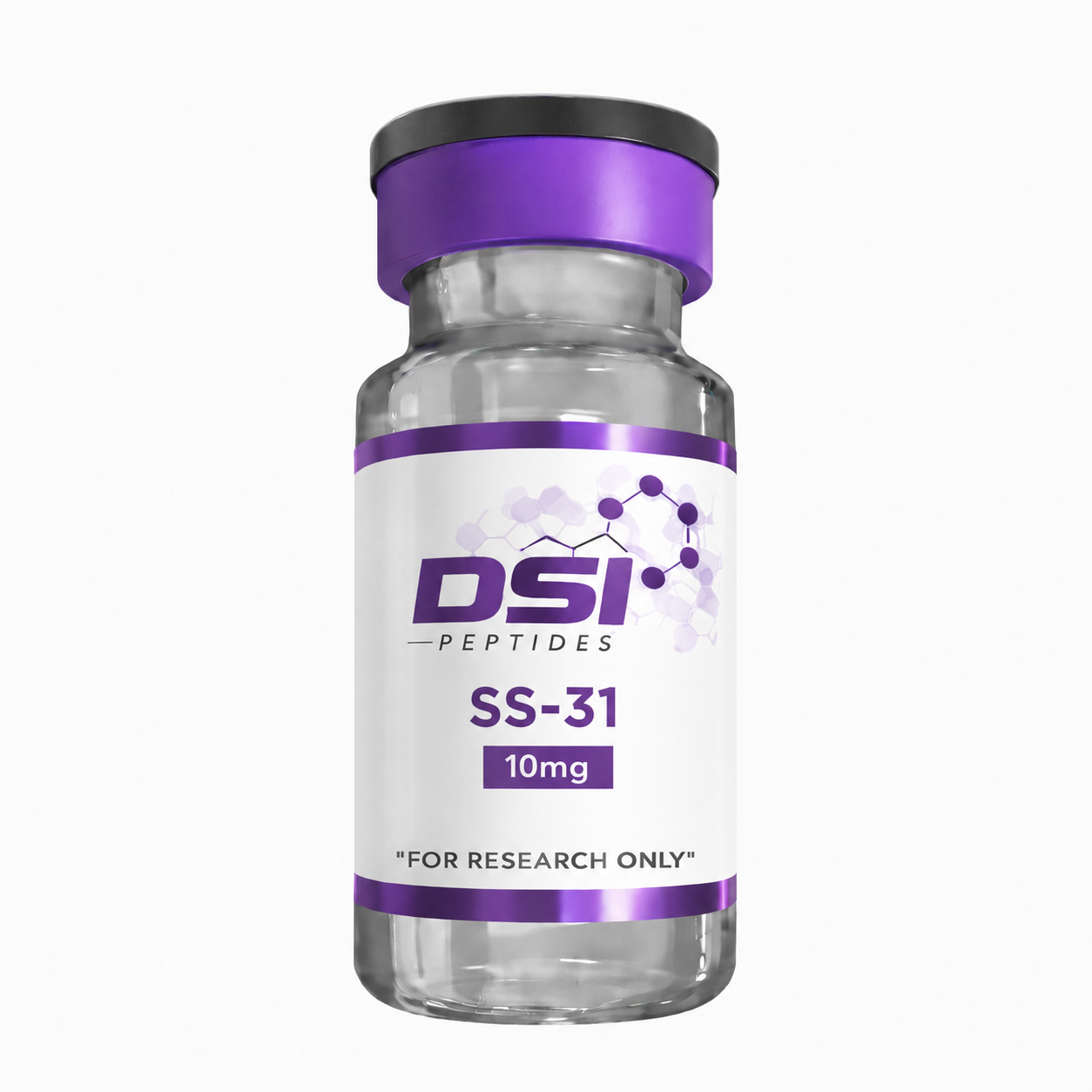
High-Purity Lyophilized Peptide
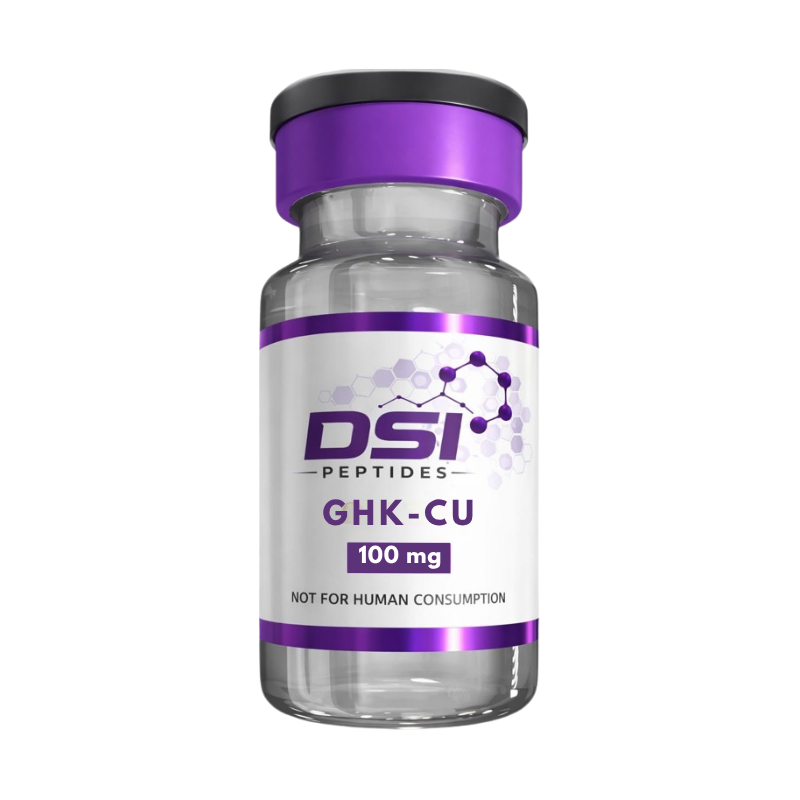
This product consists of a high-purity lyophilized peptide intended exclusively for laboratory research and analytical applications. Each batch undergoes quality control testing to verify identity and purity according to established specifications.
Storage & Handling:
For optimal stability, store lyophilized material refrigerated at 2–8°C for short-term storage or frozen at -20°C or below for extended storage. Protect from heat, moisture, and direct light. Once reconstituted, aliquoting is recommended to minimize repeated freeze-thaw cycles.
Important Information:
This product is supplied solely for scientific research, laboratory testing, and analytical purposes. It is not intended for human consumption, medical use, therapeutic applications, veterinary use, diagnostic procedures, or use in food, drugs, cosmetics, or other commercial products. Researchers are responsible for handling all materials in accordance with applicable laws, regulations, and laboratory safety practices.
Keep out of reach of children. Use only by qualified professionals in an appropriate research setting.
Reviews
There are no reviews yet.